Expert tuition for all ages & abilities
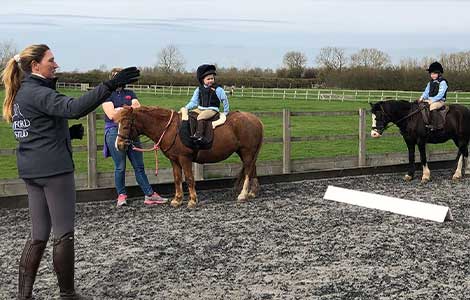
Carol Starkey, the owner of Lyford Stud, offers training in all disciplines to riders of all ages and abilities on their own horse or pony at Lyford Stud, at their own premises or other yard locally.
Carol is an enthusiastic and sympathetic trainer dedicated to improving both horse and rider, helping them to become more confident and reach their maximum potential. She is happy to teach individuals, group lessons and clinics.
As every rider has different needs and desires, we tailor tuition to suit you and your horse. Start by getting in touch, give us a littl info about about your riding experience and we can discuss the next steps.
What we can offer
Why learn with us
Tailored tuition and ongoing training
We help you with all aspects of your riding development, from beginners to advanced riders of all ages across flat work and jumping. We regularly teach at Pony Club, Scarlett and Lily are both members of and regularly representat the Old Berkshire Hunt branch at competitions, while Carol is a senior instructor and team trainer
Which means:
We help you find the right balance, progress through your paces and achieve your goals.
What are the advantages of learning with us?
Expert tuition and first-class facilities.
- Weekly programme: Allround
- Weekly programme: Dressage
- Weekly programme: Jumping
- Lyford series: Summer calendar of competitions including Dressage league